Izumo Taisha Grand Shrine — Day Trip Visitor Guide from HALE MAKAWAO
Japan's Shrine of Matchmaking | Prayer Etiquette, Highlights & Access Guide
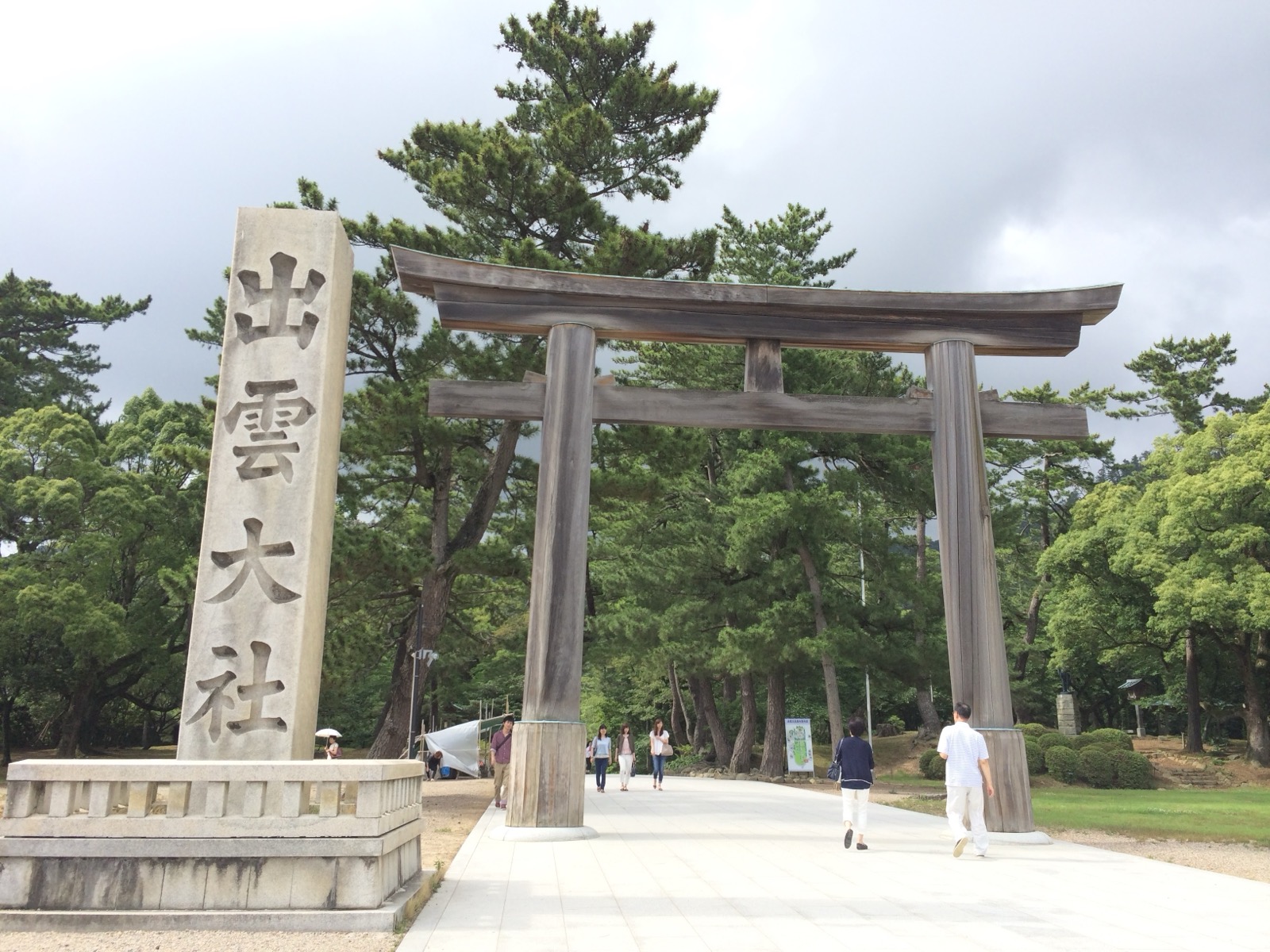
Izumo Taisha Basics
- Official name: Izumo Taisha (Izumo Oyashiro)
- Address: 195 Kizuki Higashi, Taisha-cho, Izumo City, Shimane Prefecture
- Enshrined deity: Okuninushi-no-Mikoto — revered as the deity of marriage, fortune, and good relationships
- Visiting hours: Grounds open 24 hours (inner halls have restricted hours — check the official site for the latest)
- Admission: Grounds free (Treasure Hall and some facilities are paid — check official site)
- Official website: izumooyashiro.or.jp
- Distance from HALE MAKAWAO: about 1.5 hours by car (approx.) via the San-in Route (National Route 9)
How to Pray at Izumo Taisha — Two Bows, Four Claps, One Bow
Unlike most Shinto shrines in Japan (which follow a two-bow, two-clap, one-bow ritual), Izumo Taisha traditionally uses two bows, four claps, one bow. It is one of the things that makes a visit here distinct.
Prayer Procedure
- Purify your hands and mouth at the temizusha (water pavilion)
- Approach the haiden (hall of worship) and bow deeply twice (two bows)
- Bring your hands together and clap four times (four claps)
- Keep your hands together and offer your prayer
- Bow deeply once more to conclude (one bow)
* There are variations in how the ritual is described. We recommend checking the official shrine information before your visit.
Key Highlights Inside the Shrine
The main hall stands 24 meters tall in the ancient taisha-zukuri architectural style — believed to be the oldest shrine-building form in Japan. The current structure was built in 1744 and is designated a National Treasure. Visitors cannot enter the inner hall, but can offer prayers from in front of the haiden gate.
The massive sacred rope (shimenawa) hanging across the front of the Kagura-den hall is one of the largest in Japan — 13.6 meters long and weighing approximately 5.2 tonnes. No photograph quite captures the scale of it; it is far more impressive in person. This is one spot you should not miss on any visit to Izumo Taisha.
The Treasure Hall within the shrine grounds displays sacred objects related to Izumo Taisha. About 5 minutes' walk away, the Shimane Museum of Ancient Izumo offers a deep dive into the shrine's history and ancient Izumo culture, with many National Treasure and Important Cultural Property artifacts on display.
The Approach Road & Things to Do Nearby
Shinmon-dori (The Approach Road)
The ~700m approach road from the large torii gate (Ukahashi-no-Otori) to the shrine entrance is lined with souvenir shops, restaurants, and cafes. Izumo soba, matchmaking-themed sweets and goods, and local crafts are all found here — making the walk to and from the shrine a pleasure in itself.
Izumo Soba
After visiting the shrine, the thing everyone eats is Izumo soba. The most distinctive way to eat it is warikosoba — small portions served in stacked lacquered bowls — or kamaage (served hot from the pot). The noodles are dark, earthy, and have wonderful texture. Several traditional restaurants line Shinmon-dori; expect queues at lunchtime, so an early arrival is advisable.
The Birthplace of Zenzai (Sweet Red Bean Soup)
Izumo is said to be the origin of zenzai (sweet red bean soup with mochi). The story goes that the glutinous rice cakes offered during the ancient "Kamiari Festival" (held in the old lunar October, when all the gods of Japan are said to gather at Izumo) became known as jinzai-mochi, which eventually evolved into the word zenzai. Enjoying a bowl of zenzai at a shop on Shinmon-dori is a quietly historical experience.
Best Season to Visit
Cherry blossoms in the grounds make for a beautiful visit. Relatively uncrowded compared to other seasons. Golden Week (late April to early May) will be busier — plan accordingly.
Lush green grounds, but the heat and humidity can be intense. Early morning visits (6–8 am) are recommended. The grounds offer good shade from the trees.
The month when all Japan's eight million deities are said to gather at Izumo — the most spiritually charged time to visit. Some areas are restricted during festival events; check the official calendar in advance.
Quieter and less crowded — a peaceful time to visit. San-in winters can bring overcast skies and rain; check the forecast and watch for icy roads on the drive.
Getting There
- From HALE MAKAWAO to Izumo Taisha: about 1.5 hours by car (approx.)
- Main route: Head west on National Route 9 (San-in Route), then follow signs toward Izumo Taisha from central Izumo City
- Parking: Multiple lots near the shrine (paid and free; capacity and fees subject to change)
- Busy periods (New Year, public holidays, Kamiari Month) can cause severe traffic congestion — early departure strongly recommended
- By public transport: From Yonago Station, approx. 1.5–2 hours by limited express and bus (transfers required — check latest schedules)
Model Day Trip Itinerary (approx.)
- 8:30 am — Depart HALE MAKAWAO
- 10:00 am — Arrive at Izumo Taisha; visit the main hall and Kagura-den (~1 hour)
- 11:00 am — Stroll Shinmon-dori approach road; Izumo soba lunch
- 12:30 pm — Shimane Museum of Ancient Izumo (optional)
- 2:00 pm — Depart Izumo Taisha
- 3:30 pm — Return to HALE MAKAWAO (or stop at an onsen along the way)
* All times are approximate and will vary with traffic and personal pace.
Useful Links
- Izumo Taisha Official Website — visiting hours, events, access
- Shimane Museum of Ancient Izumo
More Area Guides
Use HALE MAKAWAO as your base for a day trip to Izumo Taisha.
A private whole-villa rental in Daisen-cho, Tottori — exclusively yours, one group per night.