Tottori Sand Dunes — Visitor Guide from HALE MAKAWAO
Japan's Largest Coastal Dunes | Uma-no-se Ridge × Sand Museum × Activities
Sand Dunes Basics
- Location: Fukube-cho Yuyama area, Tottori City, Tottori Prefecture
- Size: approx. 2.4km north-to-south, approx. 16km east-to-west (Japan's largest coastal sand dunes)
- Highest point "Uma-no-se (Horse's Back)": approx. 47m above sea level
- Designations: San-in Kaigan Geopark, National Monument, San-in Kaigan National Park
- Dune entry: Free (parking and facilities are charged — fees subject to change)
- Official information: Tottori Prefecture Tourism Federation
- Distance from HALE MAKAWAO: about 1 hour 10 minutes by car (approx.)
Key Highlights
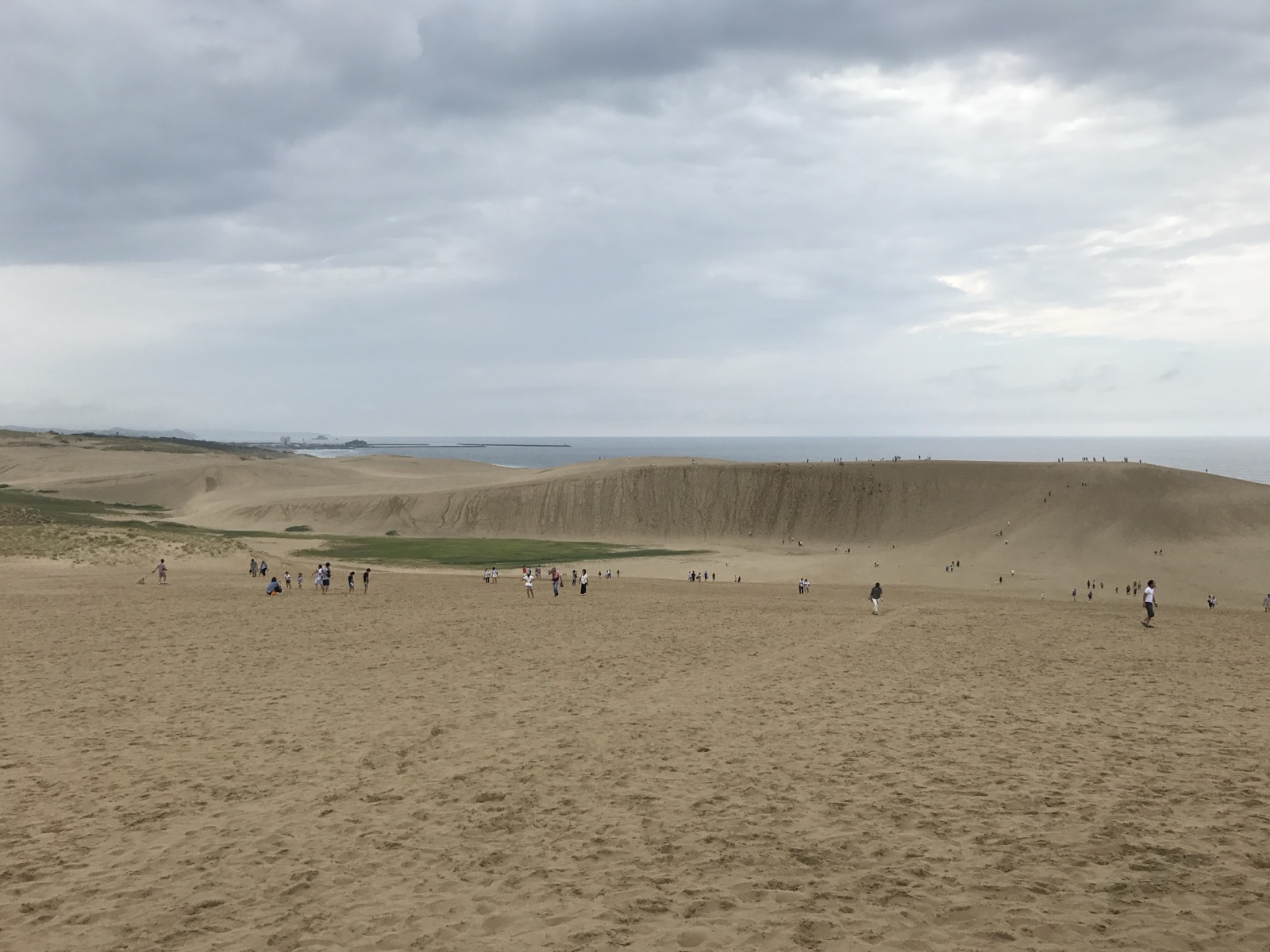
The largest sand ridge at the center of the dunes. Standing at the top, the Sea of Japan stretches out in front of you while the entire sweep of the dunes unfolds below. The sandy slope is steep and your feet sink in, making the climb a genuine workout — but the view from the top makes it more than worthwhile. On windy days, sunglasses and a hat are strongly recommended.
A museum dedicated to enormous sand sculptures created each year by internationally acclaimed artists, themed around a different country or region each season. Individual sculptures can reach several meters in height, and the level of detail is staggering — something that surprises even adults. The theme changes annually, so there is always something new to see. Check the official website before your visit for current opening hours, admission fees, and themes.
An observation deck near the dune entrance gives you a bird's-eye view of the entire dune landscape without having to walk onto the sand itself. A good option for those with limited mobility or very young children who may not be ready for the hike. Souvenir shops and restaurants are also available nearby.
Activities
Camel Rides
Camel rides on the dunes are a Tottori classic — an unexpected photo opportunity that perfectly captures the otherworldly feel of the place. Prices and operating hours change by season and weather; check with on-site staff. Expect queues during peak periods.
Paragliding & Sand Buggies
Tandem paragliding and sand buggies are available from operators near the dunes. Content and pricing vary by operator; reservations may be required. Paragliding above the dunes and Sea of Japan is a spectacular experience for adventurous travelers.
Sand Play (Perfect for Children)
The fine, soft sand of the Tottori dunes is ideal for children's sand play. You can head to the quieter edges of the dune area with a bucket and spade and play freely. On windy days, sand can get into eyes easily — goggles are a good idea for young children.
Sunset Spot
Because the dunes face the Sea of Japan, a clear evening brings a stunning sunset — the sky turns orange and the dunes glow with it. The contrast is especially beautiful from autumn through winter, when the air is crisp and visibility is excellent. Many photographers make the trip specifically for this light. Timing your visit to catch the sunset on the way back to HALE MAKAWAO makes for a perfect finish to the day.
Family Tips
- Sand play: Bring a bucket and spade (also available locally). Dress in clothes you do not mind getting sandy.
- Uma-no-se challenge: Children in elementary school and above will find the climb a fun adventure — the sensation of feet sinking into sand is part of the fun
- Camel rides: A classic hit with children. Check availability early to avoid disappointment.
- Sand Museum: The indoor exhibitions are engaging for both children and adults, and can be enjoyed even in bad weather
- Footwear & gear: Trainers are much easier to walk in than sandals. Wear socks to keep sand out. A towel and change of clothes will be handy.
Best Season to Visit
Coastal plants like hamaendou (beach pea) bloom on the fringes of the dunes. Comfortable temperatures make for pleasant walking. Golden Week (late April to early May) will be crowded.
The most popular season, but the sand surface becomes extremely hot — walking barefoot is uncomfortable in strong sunshine. Heat stroke prevention (water, hat, sunscreen) is essential. Early morning or late afternoon visits are recommended.
Clear skies and excellent visibility make this the best season for photography. Comfortable temperatures. Crowds thin out compared to summer.
Strong winds off the Sea of Japan create beautiful ripple patterns (ripple marks) in the sand. After snowfall, the rare sight of snow on sand is something you can only see here. Dress warmly. Visitor numbers are low, making it a uniquely peaceful experience.
Getting There
- From HALE MAKAWAO to the Tottori Sand Dunes: about 1 hour 10 minutes by car (approx.)
- Main route: Head east on National Route 9 through Tottori City toward the dunes
- Parking: Multiple paid lots near the dunes (capacity and fees subject to change)
- During busy periods (summer holidays, public holidays), arrive early to avoid parking queues
- By public transport: JR San-in Main Line from Yonago Station to Tottori Station (~1.5 hours, faster by limited express); bus connections to the dunes from Tottori Station — check current timetables
Model Day Trip Itinerary (approx.)
- 8:00 am — Depart HALE MAKAWAO
- 9:30 am — Arrive at the dunes; explore and climb Uma-no-se (~1–1.5 hours)
- 11:00 am — Sand Museum (optional)
- 12:30 pm — Lunch at a nearby restaurant (Tottori food)
- 2:00 pm — Depart the dunes
- 3:30 pm — Return to HALE MAKAWAO (or stop for a detour or onsen along the way)
* All times are approximate. If you want to catch the sunset, adjust your departure time accordingly.
Nearby Food & Additional Stops
- Karo district, Tottori City: The harbor area near the dunes offers matsuba crab (snow crab), white whelk, and other San-in seafood at local restaurants
- Tottori Castle Ruins (Kyusho Park): A historic site in the city center, also one of Tottori's best cherry blossom spots
Packing List
What to Bring
- Trainers or walking shoes (sand-resistant) and socks
- Hat and sunglasses (sand and UV protection)
- Towel and change of clothes (especially important for children)
- Plenty of water and snacks (extra important in summer)
- Sunscreen
- Bucket and spade for sand play (also available locally)
Useful Links
- Tottori Sand Dunes — Tourism Information (Tottori Prefecture Tourism Federation)
- Sand Museum Official Website
More Area Guides
Use HALE MAKAWAO as your base for the Tottori Sand Dunes.
A private whole-villa rental in Daisen-cho, Tottori — exclusively yours, one group per night.